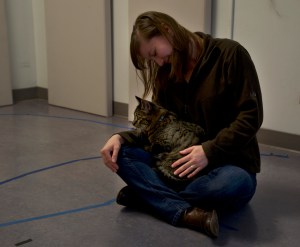
CATastrophic myths part 1: Common misconceptions about the social behavior of domestic cats and implications for their health, welfare, and management

Croney, C., Udell, M. A. R., Delgado, M., Ekenstedt, K. J., Shoveller, A.K. (2023). CATastrophic Myths Part 1: Common misconceptions about the social behavior of domestic cats and implications for their health, welfare, and management. The Veterinary Journal. https://doi.org/10.1016/j.tvjl.2023.106028

Abstract: Cats are among the most popular pets worldwide, but there are still major gaps in the public’s general understanding of their social behaviors and related needs, including for socialization. In addition to these knowledge gaps, people often have negative or ambivalent attitudes about cats, which can directly impact their welfare outcomes. Insufficient attention to the behavioral ecology and development of cat sociality, along with failure to account for their highly variable individual preferences and tolerance for social behaviors can lead them to experience distress that undermines both their welfare and the human-animal bond. As Part 1 of a two-part series addressing common myths about cats, the purpose of this first paper is to review and debunk common misperceptions about the social needs and behaviors of cats, including misunderstandings about their social lives and abilities to bond with humans. We also identify where opportunities exist to improve socialization of cats and to advance research in related areas that might better support their behavior and welfare needs.
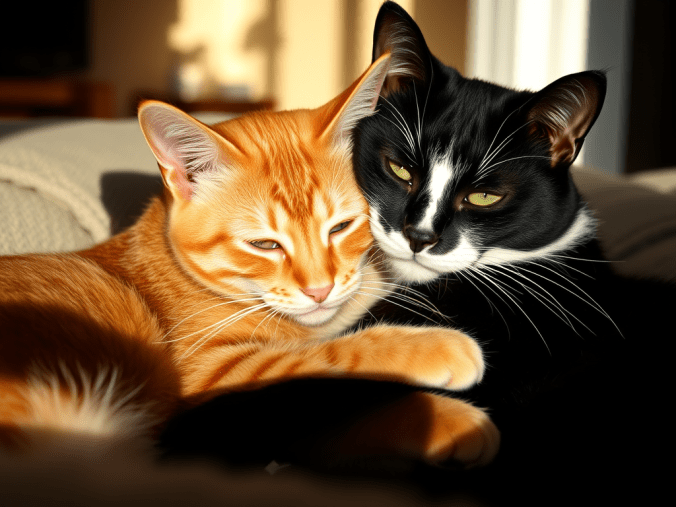
A Cross-Cultural Comparison of Cat–Human Relationships in the United States and Japan

Vitale, K. R., Takagi, S., Arahori, M., Chijiiwa, H., Udell, M. A. R., & Kuroshima, H. (2024). A Cross-Cultural Comparison of Cat-Human Relationships in the United States and Japan. Anthrozoös37(5), 813–831.

Abstract: Across the world, more and more cats are being kept in captive spaces such as homes, animal shelters, and cat cafés. There is a growing need to understand whether cross-cultural differences influence human-animal interactions in these human-controlled environments. Cats are one of the world’s most popular companion animals, and both the US and Japan have high rates of cat ownership. However, cultural differences may account for differences in how people feel about cats and how humans and cats behave toward one another. The research aim was to examine whether differences exist between the US and Japan across multiple facets of the human-cat relationship. Study 1 examined each country’s attitude toward pet cats. Results indicate US citizens have significantly more positive attitudes toward pet cats than Japanese citizens. Study 2 examined owner attachment to their cat and pet cat social behavior. Results indicate owners in both countries were highly attached to their cats. In the US, but not Japan, owner attachment level predicted pet cat sociability toward the owner. Study 3 examined cat social behavior in cat cafés. The results of studies 2 and 3 indicate that pet cats and café cats in the US spend a greater proportion of time in proximity to people compared with pet and café cats in Japan. In all, differences and similarities were seen between the US and Japan. In humans, differences in childhood cat experiences and lower rates of cat ownership may impact attitudes toward cats. In pet cats, owner characteristics, the size of the cat’s environment, cat care practices, and attitudes toward cats may impact cat social behavior. Future exploration in this area can benefit our understanding of cross-cultural human-animal interactions and how to apply these findings to improve captive-cat welfare.

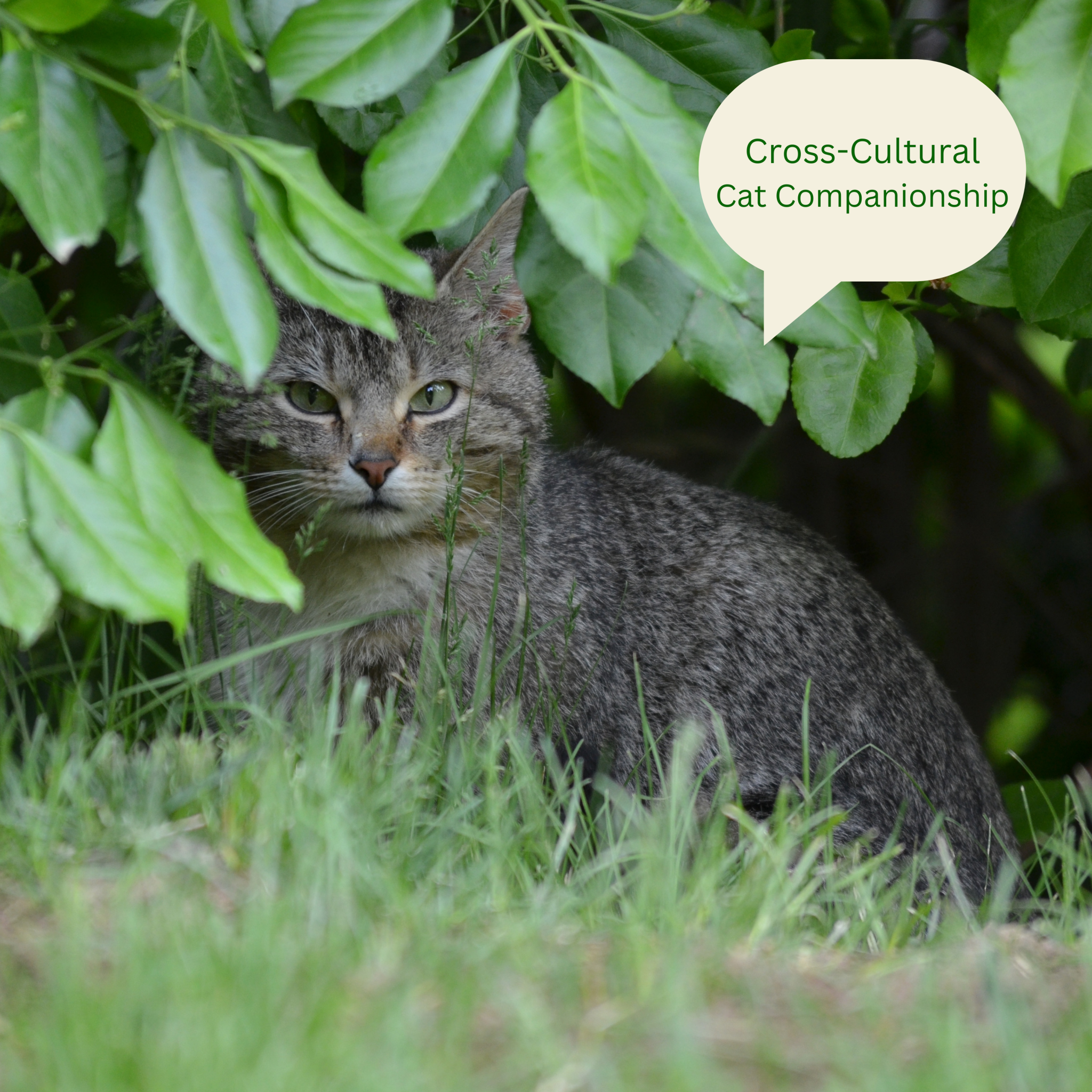
Cat under a bush.
Photo Credit: Dr. Kristyn Vitale www.maueyes.com

Attachment bonds between domestic cats and humans

Vitale, K. R., Behnke, A. C., & Udell, M. A. R. (2019). Attachment bonds between domestic cats and humans. Current Biology, 29(18), R864–R865.  DOI:  https://doi.org/10.1016/j.cub.2019.08.036


FULL TEXT AVAILABLE FOR DOWNLOAD AT THIS LINK


Cat displaying secure attachment

Cat displaying insecure-avoidant attachment

Cat displaying insecure-ambivalent attachment