Puitiza, A., Molinaro, H. G., Barrios, F., Vitale, K. R., Darling, S., Frank, D. H., & Udell, M. A. R. (2025). Contextual cues influence human perception of cat emotion. Anthrozoös, 38(6), 955–970. https://doi.org/10.1080/08927936.2025.2578074
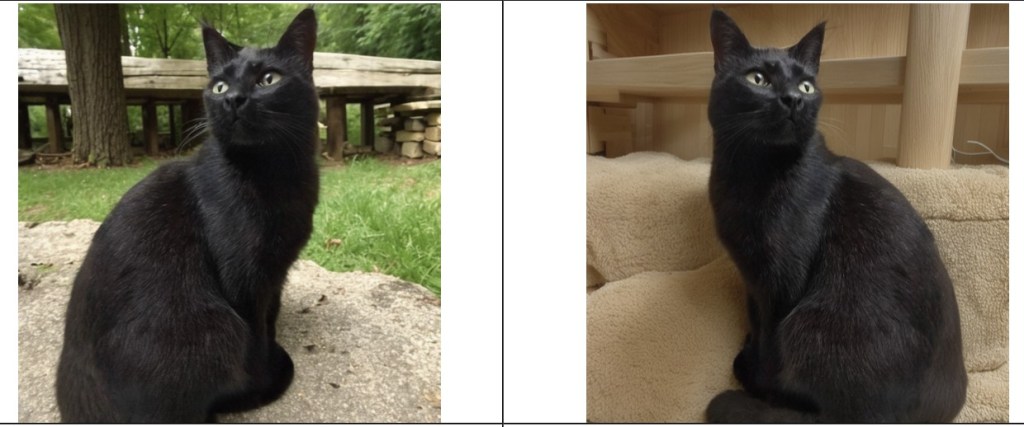
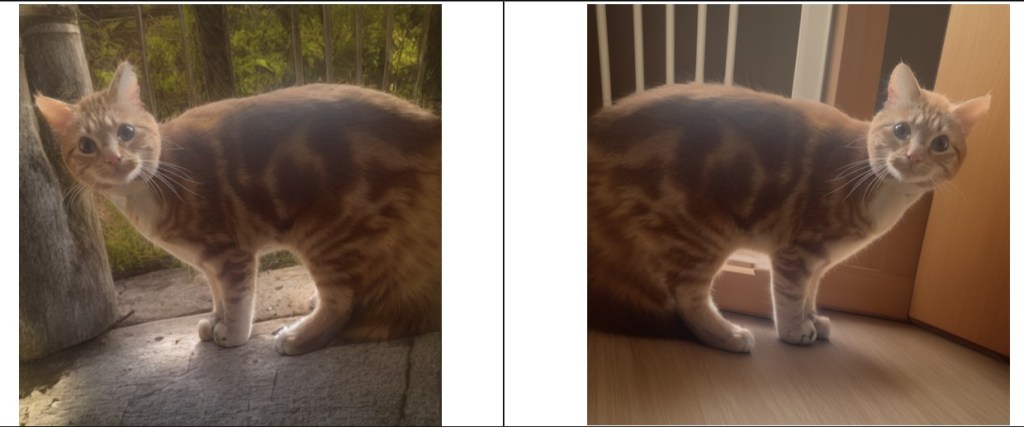
Abstract: Human beliefs about cat emotions and wellbeing can influence cat management, care, and welfare practices. Prior research suggests that many people, including cat owners, often fail to identify cat emotional states accurately. In the current study, we asked if contextual cues, such as background environment, coat color, or one’s own emotional state, could predict or influence human perception of cat emotion. To accomplish this, we used a mixed-methods survey. Contextual cues were experimentally manipulated by presenting the same cat images multiple times, but with different AI-generated backgrounds (i.e., indoor vs. outdoor setting), in a randomized order. Participants were asked to rate their perception of the cat’s emotional state in each image. Participants also rated their own emotional state while viewing each image in a separate section of the survey. Data from 665 surveys were included in the final analysis; 71% of participants identified as female, 23% identified as male, and 6% selected another gender category or preferred not to answer. Overall, participants rated cats as having a more positive emotional state when pictured indoors compared with the same cat pictured outdoors (p < 0.001). Beliefs about the appropriateness of allowing cats to roam freely outdoors were also associated with reported emotion ratings of cats (p < 0.001). Additionally, cat ownership (p < 0.001), reported positive quality of experiences with cats (p < 0.001), and ratings of the participants’ own emotional state (p < 0.0001) also correlated positively with human perception of cat emotion. This study provides the first experimentally controlled evidence that human perception of cat emotion can be directly influenced by context.